
What Is The Definition Of Art - As an art enthusiast, I have always been fascinated by the elusive concept of "art." What is art, and how can we define it? While art may take many forms and serve a variety of purposes, one thing is certain: art has the power to evoke emotions, challenge our perceptions, and spark our imaginations. In this post, we will explore a variety of perspectives on what defines art, and provide some tips and ideas on how to appreciate and create art in your own life.
25 Diverse Perspectives on the Definition of Art
Perspective 1: Art as Beauty
For some, art is simply a matter of aesthetics - it is beautiful, pleasing to the eye, and serves no other purpose beyond that. This perspective has a long history in art criticism and theory, with philosophers like Immanuel Kant and Johann Joachim Winckelmann arguing that beauty is the primary criterion for determining what is art.
Perspective 2: Art as Representation

Another perspective on art sees it as a form of representation - that is, a way of depicting the world as we see it, or as we want it to be. This view is perhaps most evident in traditional media like painting and sculpture, where artists often strive for realism and accuracy in their depictions.
Perspective 3: Art as Expression
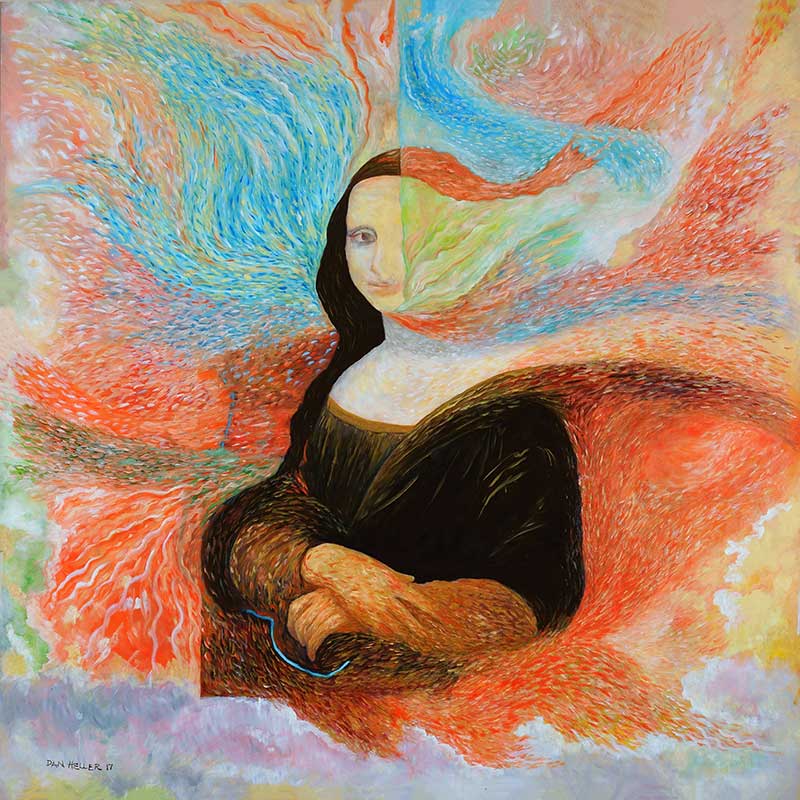
Some argue that art serves as a form of personal expression - a means of communicating one's emotions, feelings, or ideas to others. This perspective is closely tied to the Romantic movement of the 18th and 19th centuries, which emphasized the individuality and creativity of the artist.
Perspective 4: Art as Communication

Similar to the expressionist view, some see art as a way of communicating with others - of sharing ideas, insights, or experiences that would be difficult to express in words alone. In this sense, art can be seen as a kind of visual language, capable of conveying complex emotions and meanings.
Perspective 5: Art as Social Commentary

Finally, some argue that art serves a moral and political purpose - that is, to critique society, challenge authority, and offer a vision of a more just and equitable world. This perspective has been particularly influential in avant-garde art movements of the 20th century, such as Dadaism and Surrealism, which sought to disrupt traditional ideas and values.
Tips for Appreciating Art
Now that we have explored some of the many ways that art can be defined, let's turn to some tips and ideas for appreciating art in your own life.
Tip 1: Visit a Museum or Gallery

One of the best ways to experience art is to visit a museum or gallery, where you can see a wide range of artworks and learn about different artists and styles. Whether you are interested in classical paintings, contemporary sculptures, or avant-garde installations, there is sure to be something that will capture your imagination.
Tip 2: Take Your Time

When you are viewing a piece of art, it can be tempting to rush through, taking only a cursory glance and moving on. However, to truly appreciate a work of art, it is important to take your time and allow yourself to become immersed in the piece. Take a few moments to study the composition, to notice the details and textures, and to reflect on the emotions and thoughts that it evokes.
Tip 3: Read About the Artist

Learning about the life and work of an artist can be a fascinating way to deepen your understanding of their artworks. Look up biographical information, read interviews or memoirs, and seek out critical analyses and reviews of their work. Doing so can help you to appreciate the larger context surrounding the work, and to gain new insights into its meaning.
Ideas for Creating Art
Of course, art appreciation isn't just about viewing other people's artworks - it's also about creating your own. Whether you are an experienced artist or a complete novice, there are many ways to get started with creating your own works of art.
Idea 1: Start With a Theme

One way to get started with creating art is to begin with a theme or idea that inspires you. This could be anything from a particular color or texture to a more abstract concept like "love" or "loss." Once you have a starting point in mind, you can begin exploring different materials, techniques, and mediums to create your piece.
Idea 2: Experiment with Different Tools and Materials

One of the joys of creating art is the opportunity to experiment with different tools and materials. From paint and brushes to charcoal and clay, there is a vast array of mediums to explore. Don't be afraid to try something new, or to combine materials in unexpected ways - who knows what amazing creations you might come up with!
Idea 3: Collaborate With Others
/cdn.vox-cdn.com/uploads/chorus_image/image/59898455/GettyImages_184578292.0.jpg)
Finally, don't forget the power of collaboration when it comes to creating art. Whether you work with a friend or colleague on a joint project, or participate in a larger community project, collaborating with others can offer new perspectives and ideas, as well as the chance to make new connections and friends.
As we have seen, the definition of art is complex and multifaceted, encompassing many different perspectives and approaches. Whether you are a passionate art lover or a curious novice, there is always something new to discover and appreciate in the world of art. So go forth, explore, and create - the world is waiting for your unique vision to be expressed!
Find more articles about What Is The Definition Of Art